Concert Video Wall: Why It Has Become a Must-Have for Modern Live Events
- asianeventslondon
- Jun 26
- 4 min read
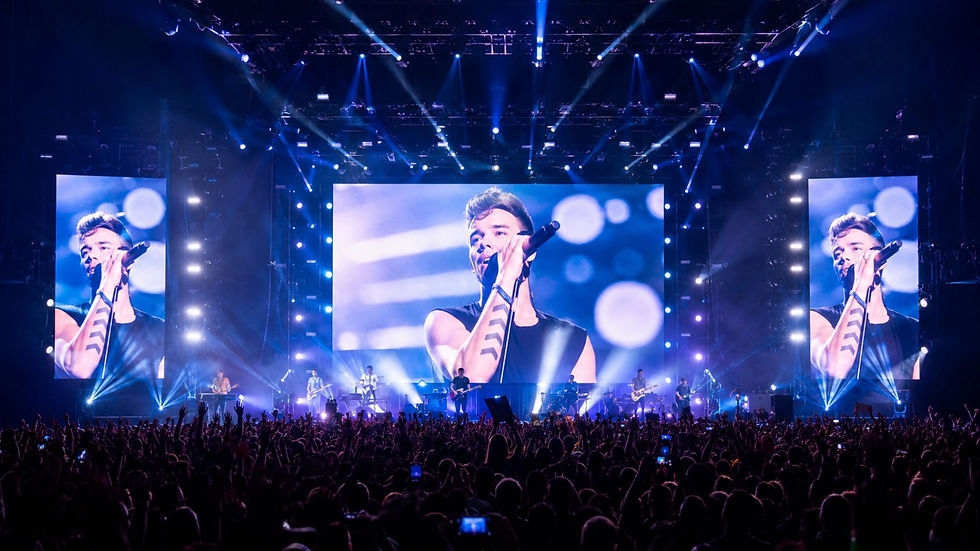
Live concerts have changed significantly over the past decade. Audiences no longer attend events just to hear music—they expect an engaging visual experience that matches the energy of the performance. Whether the venue is a large outdoor festival or an indoor arena, visuals play an important role in keeping every attendee connected to the stage.
A concert video wall has become one of the most effective ways to improve visibility, display creative visuals, and help audiences enjoy every moment of a live performance. From close-up camera feeds to animated backgrounds, video walls have become a standard feature at concerts of every size.
If you are planning a live event, understanding how video walls work and what to consider before hiring one can help you make better decisions for your production.
Why Visibility Is a Common Challenge at Concerts
One of the biggest issues at concerts is that not everyone has a clear view of the performers. While people standing near the stage enjoy every detail, attendees farther back may struggle to see facial expressions, instruments, or important moments.
This becomes even more noticeable at:
Outdoor music festivals
Stadium concerts
Corporate music events
Charity concerts
Community festivals
University events
Without proper visual support, audience engagement often decreases, especially for guests positioned away from the main stage.
A well-planned stage video wall helps solve this issue by broadcasting live camera feeds, graphics, sponsor content, countdowns, and visual effects across large LED displays that remain visible from long distances.
How a Concert Video Wall Improves the Audience Experience
A modern led video wall concert setup does much more than display performers.
It creates an immersive atmosphere by combining video content with lighting, stage effects, and live production. Audiences can clearly see every performance regardless of where they are standing.
Some common uses include:
Live camera feeds
Music visualizers
Performer introductions
Event branding
Sponsor advertisements
Social media displays
Countdown timers
Animated backgrounds
These elements help maintain audience attention throughout the event while creating memorable visual moments.
Choosing the Right LED Video Wall for Events
Every concert has different technical requirements. A small indoor venue will not require the same display system as a large outdoor festival.
When selecting a led video wall for events, organizers usually consider several factors:
Screen Size
The size should match both the venue and audience capacity. Larger crowds generally require larger displays to maintain visibility.
Pixel Pitch
Pixel pitch determines image clarity. Lower pixel pitch offers sharper visuals for audiences sitting close to the screen, while larger outdoor venues may use higher pixel pitch displays.
Brightness
Outdoor concerts require high-brightness LED panels to remain visible in daylight, while indoor venues often use lower brightness levels.
Weather Protection
Outdoor concerts require weather-resistant LED panels that continue operating safely in changing weather conditions.
Content Management
A reliable production team ensures that live cameras, presentations, graphics, and videos switch smoothly throughout the performance.
Understanding Video Wall Installation
The quality of the screen is only one part of a successful event. Proper installation is equally important.
Professional video wall installation in London typically includes:
Site inspection
Structural safety checks
Rigging
Power distribution
Signal management
Content testing
Technical support during the event
Safe dismantling after completion
These steps help reduce technical issues during live performances while ensuring audience safety.
What Influences Video Wall Hire Cost?
One of the first questions organizers ask is about video wall hire cost.
The answer depends on several factors rather than a fixed price.
Some of the main considerations include:
LED screen size
Indoor or outdoor setup
Pixel pitch
Event duration
Installation complexity
Venue accessibility
Number of technicians required
Additional equipment
Live camera systems
Content management requirements
Larger concerts naturally require more equipment and labour than smaller performances, making early planning beneficial for staying within budget.
Combining Video Walls with Lighting and Dance Floors
Visual production becomes even more effective when multiple stage elements work together.
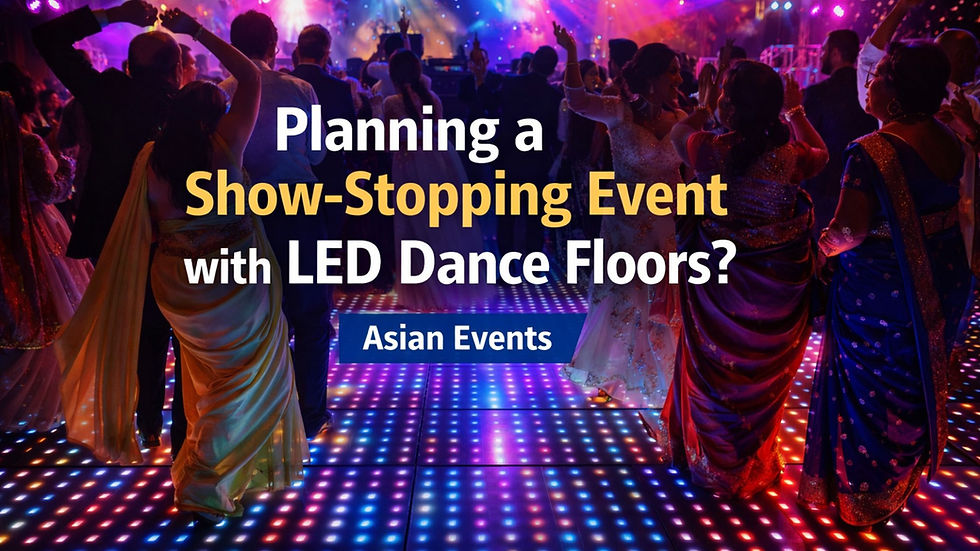
Many event organizers combine a stage video wall with professional lighting systems and a light up dance floor to create a coordinated entertainment setup.
This combination helps:
Build excitement before performances
Create stronger visual effects during songs
Encourage audience participation
Improve the appearance of event photography
Produce better social media content
When lighting, LED screens, and stage design complement one another, the overall production feels more organized and engaging.
Practical Tips Before Hiring a Concert Video Wall
Planning ahead can make a noticeable difference in both performance quality and production efficiency.
Here are a few practical tips:
Visit the venue beforehand. A site inspection helps identify suitable screen locations, power availability, and installation requirements.
Know your audience size. The number of attendees influences screen dimensions and viewing angles.
Prepare visual content early. Videos, graphics, sponsor logos, and presentations should be tested before the event.
Consider weather conditions. Outdoor concerts should include weather-resistant equipment and contingency planning.
Coordinate with performers. Artists and production teams should understand how visuals will be used during performances.
Schedule technical rehearsals. Testing equipment before guests arrive helps reduce unexpected technical issues.
Choose experienced technicians. Experienced crews often identify potential problems before they affect the event.
Common Mistakes to Avoid
Some organizers focus only on screen size without considering viewing distance, brightness, or installation quality.
Other common mistakes include:
Booking equipment too late
Underestimating power requirements
Ignoring venue restrictions
Using low-quality visual content
Skipping technical rehearsals
Forgetting backup equipment
Avoiding these issues helps create a smoother production from setup through the final performance.
Looking Ahead
Concert production continues to evolve as LED technology becomes more advanced and accessible. Today's audiences expect more than excellent music—they expect a complete visual experience that complements every performance.
A well-planned concert video wall allows organizers to improve visibility, display creative content, and deliver a more engaging atmosphere for audiences across venues of all sizes. When combined with professional planning, experienced technicians, and supporting production elements, LED displays contribute to concerts that feel organized, immersive, and enjoyable from beginning to end.

Comments